



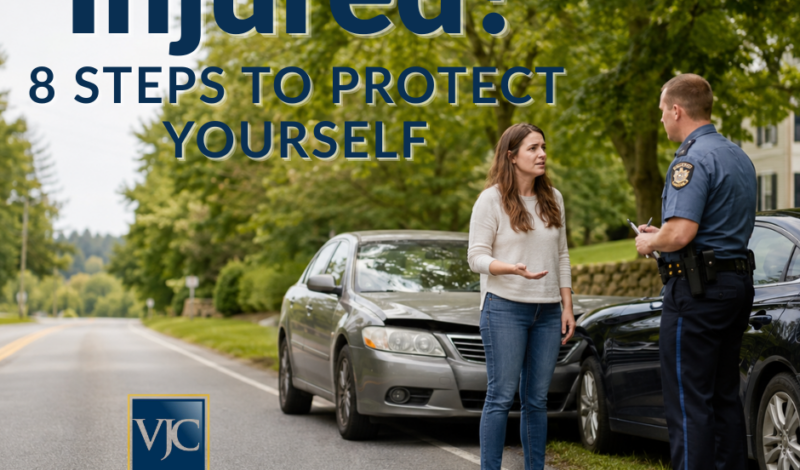

An accident can leave you feeling overwhelmed, especially when you are dealing with injuries, medical appointments, insurance companies, missed work, and unexpected expenses. Although your health should always come first, the decisions you make in the hours and days after an accident can also affect your ability to pursue compensation.
Whether you were injured in a car accident, slip and fall, or another incident caused by someone else’s negligence, these eight steps can help protect your health and your legal rights in Pennsylvania.
1. Seek Medical Attention Immediately
Get evaluated by a medical professional as soon as possible—even if you do not believe your injuries are serious. Concussions, internal injuries, and soft-tissue damage may not produce noticeable symptoms immediately.
Prompt treatment can:
- Identify injuries before they become more serious
- Establish a connection between the accident and your condition
- Create important medical documentation
- Prevent an insurance company from arguing that your injuries were unrelated or insignificant
Follow your doctor’s recommendations, attend appointments, and keep copies of medical records, bills, prescriptions, and receipts.
2. Report the Accident
An official report creates a record of when, where, and how the accident occurred.
Depending on the type of incident, you may need to:
- Contact the police after a motor vehicle accident
- Report a slip and fall to the property owner, manager, or business
- Notify your employer of a workplace injury
- Report a defective product to the manufacturer or retailer
Ask for a copy of any police, incident, or accident report that is created.
3. Document the Scene
Evidence can disappear quickly. Vehicles are repaired, hazardous conditions are corrected, surveillance recordings are erased, and witnesses become difficult to locate.
If you can safely do so, take photographs or videos of:
- The accident scene
- Your visible injuries
- Vehicle or property damage
- Road, lighting, or weather conditions
- Spills, ice, debris, broken pavement, or other hazards
- Signs, traffic signals, or nearby businesses that may have cameras
Collect the names and contact information of witnesses, and write down what happened while the details are still fresh.
4. Preserve Physical Evidence
Keep damaged clothing, broken equipment, defective products, vehicle parts, receipts, and other items connected to the accident.
Do not repair, discard, or alter potentially important evidence before speaking with an attorney or resolving your claim. Even an item that seems unimportant could help establish how the accident occurred.
5. Notify Your Insurance Company Carefully
You may be required to report the accident to your insurer. When doing so, provide basic factual information, but avoid admitting fault or speculating about what happened.
You should also avoid:
- Giving a recorded statement to another party’s insurer without legal advice
- Signing broad medical authorizations
- Minimizing your symptoms
- Accepting a settlement before the extent of your injuries is known
Insurance adjusters may appear helpful, but their responsibility is to protect the insurance company’s financial interests.
Limited Tort and Full Tort in Pennsylvania
If your injury resulted from a motor vehicle accident, your tort selection may affect the damages you can pursue.
Pennsylvania’s full-tort option generally preserves the right to seek economic and noneconomic damages. Limited tort generally restricts recovery for pain, suffering, and other noneconomic losses unless the person sustained a legally defined “serious injury” or an exception applies. Economic losses may still be recoverable. Pennsylvania’s official limited- and full-tort provisions contain important details and exceptions that should be evaluated based on the individual case.
6. Stay Off Social Media
Insurance companies and defense attorneys may review publicly available social-media activity when investigating a claim.
A photograph taken at a family gathering, a casual comment, or a location check-in could be presented out of context to argue that your injuries are not as limiting as you claim.
Avoid posting about:
- The accident
- Your injuries or treatment
- Physical activities or travel
- Communications with insurers
- Settlement discussions or legal proceedings
You should also be cautious about accepting requests from unfamiliar accounts.
7. Keep Records of Your Losses
Create a dedicated file for accident-related documents, including:
- Medical bills and treatment records
- Prescription and equipment expenses
- Mileage to medical appointments
- Lost-wage documentation
- Property-damage estimates
- Receipts for childcare or household assistance
- Communications with insurance companies
Consider keeping a daily journal describing your pain, physical limitations, missed activities, emotional difficulties, and the ways your injuries affect your work and personal life.
8. Speak With a Pennsylvania Personal Injury Attorney
A personal injury attorney can review what happened, preserve evidence, communicate with insurance companies, identify potentially responsible parties, and explain what compensation may be available.
Timing is important. Many Pennsylvania personal injury actions are subject to a two-year filing deadline, although different or shorter notice requirements can apply in certain cases—particularly claims involving government entities.
Contacting an attorney early does not mean that you are required to file a lawsuit. It allows you to understand your options before evidence disappears or an important deadline passes.
Protecting Your Health and Your Future
After an accident, focus on getting appropriate medical care, documenting what happened, preserving evidence, and avoiding decisions that could unintentionally weaken your claim.
In Part Two of this series, we explain how a Pennsylvania personal injury lawyer investigates an accident, determines what a claim may be worth, and negotiates with insurance companies.